
Description
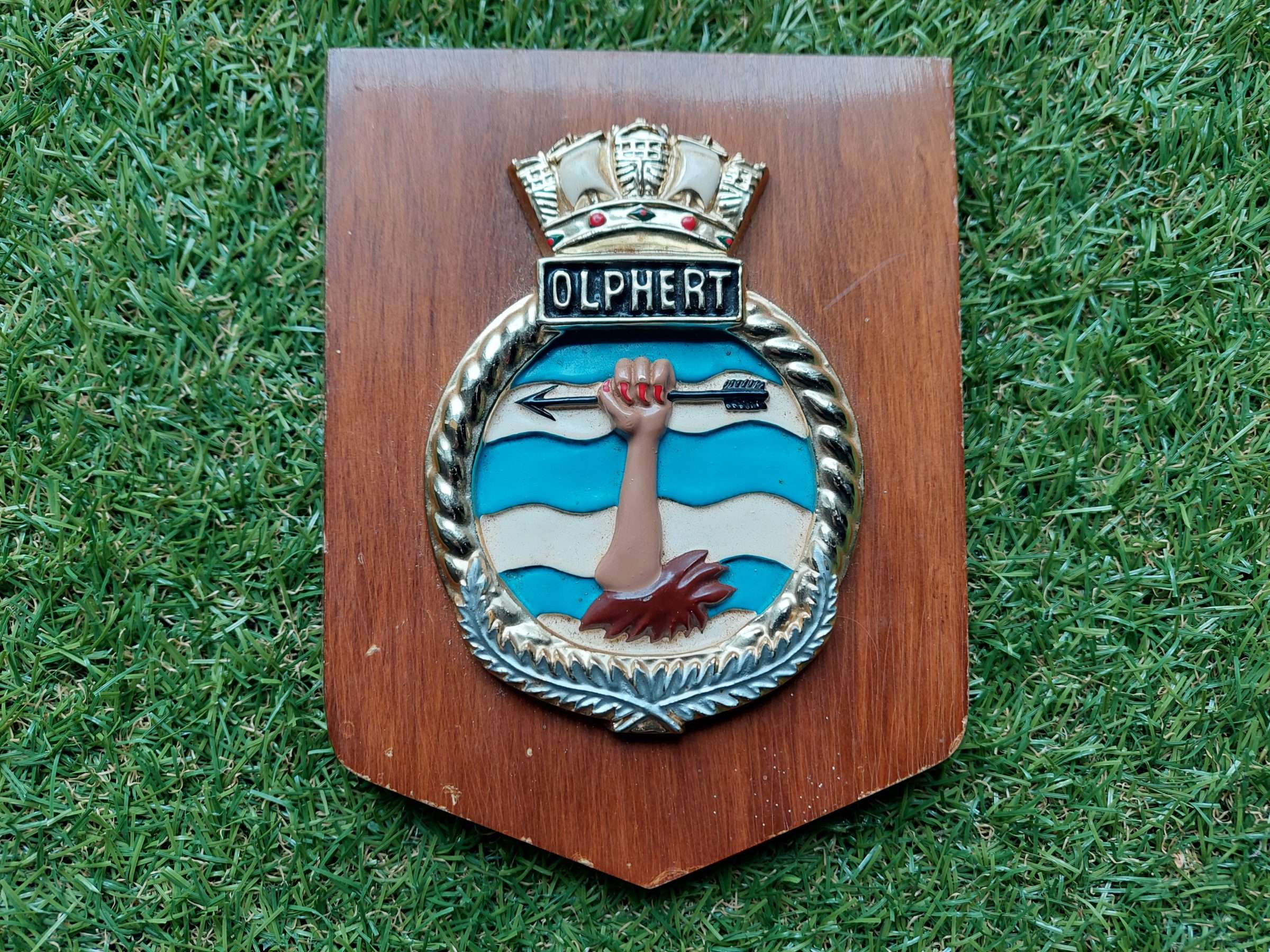
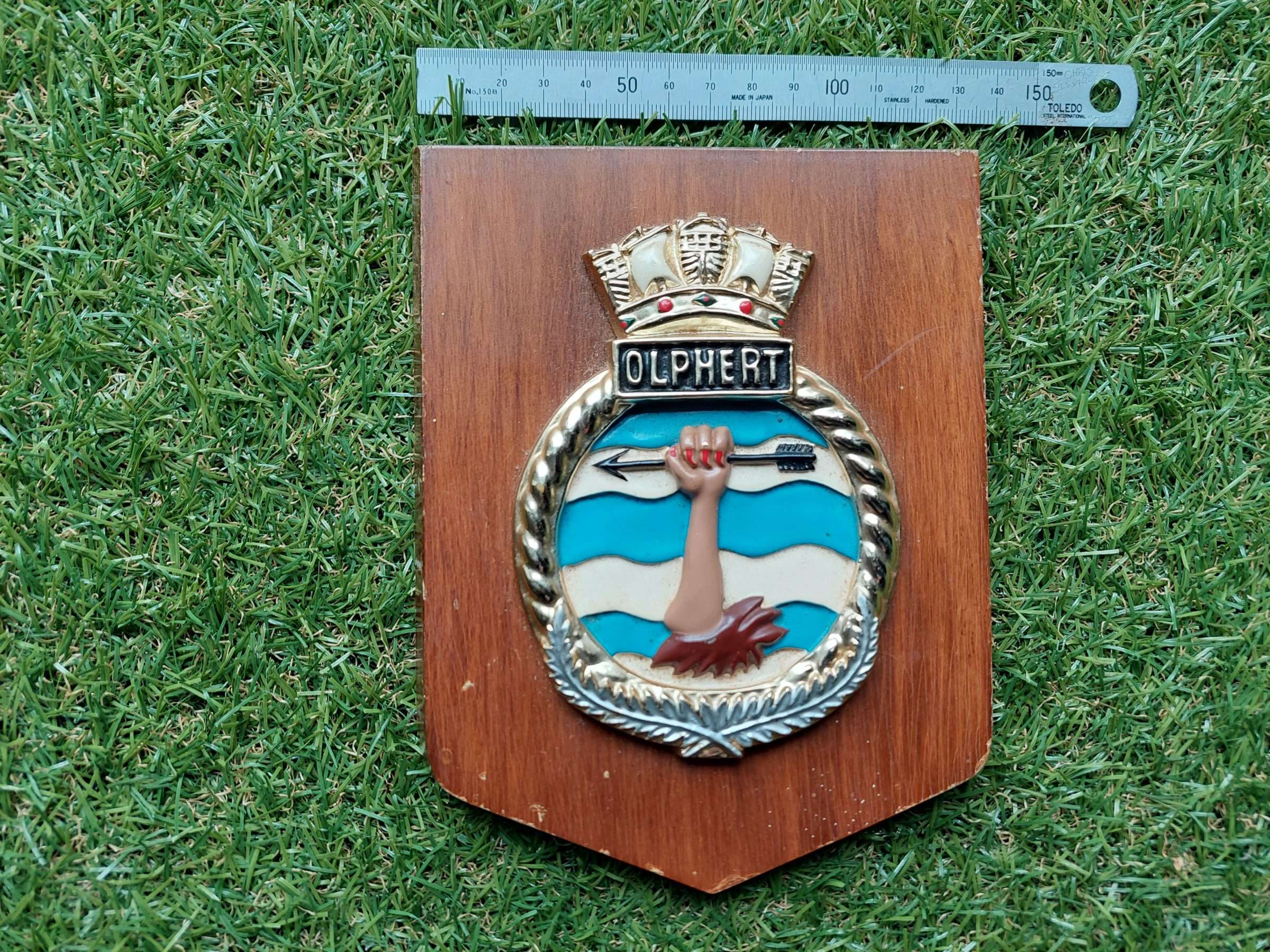
New Zealand Navy HMNZS Olphert Plaque
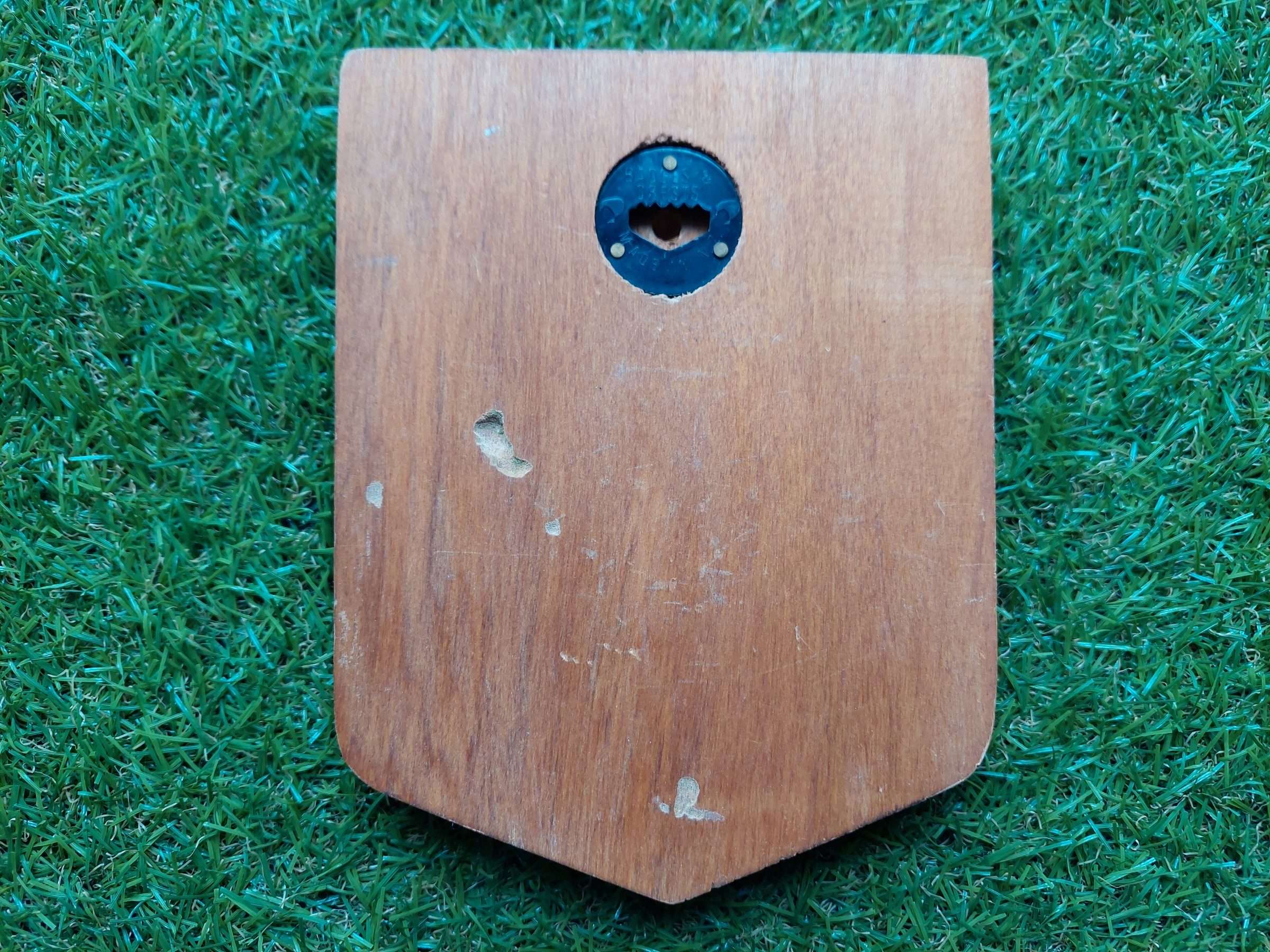
Condition as pictured.
HMNZS Olphert has historic significance for its association with home-front activities during World War Two, social significance for its present day role as a training facility associated with the Navy, and architectural value for its unusual blend of design features and styles. HMNZS Olphert appears to have been built some time in the mid 20th century, but little is known about it. Although there are no original plans available for this building, accessible information points to a likely construction date of 1941. Primary sources are, however, sparse and non-specific.
The area of Mount Cook has had a long military history prior to European settlement. This area has a long Maori history, and was the site of the Rangitaane Pa, and is now known as Puke Ahu. The land surrounding the Pa was originally reserved for Maori as a part of the New Zealand Company’s allocation of land to local iwi. This land was however, quickly appropriated for defence purposes and set aside by 1850. The strategic importance of this area was not lost on the settler population and thus Mount Cook is an area that also has a long historical association with the New Zealand military.
The first building on this site was a ‘Permanent Artillery Barracks’ which first appeared on an official map in 1882 but may have been built earlier. By the early 20th century, the Department of Defence had built a complex of buildings on the corner of Buckle and Taranaki Streets. In April 1940 the Quartermaster-General informed the Engineer-in-Chief of the PWD that:
… the War Cabinet has approved expenditure of £17,167 in connection with the re-arrangement and re-construction of Central District Headquarters, Buckle Street, Wellington. I shall be pleased if you will arrange for the work to be put in hand as soon as possible.
This money was possibly used to demolish some of the older buildings on the site as well as to construct a new building. In 1942 the PWD invited tenders for painting what was called ‘the new building’, this is possibly a reference to what is known as HMNZS Olphert as it appears to have been built by that time. The PWD correspondence file has many references to ‘the new building’ throughout 1942 during which time a number of tradesmen – painters, plasterers, etc – were employed. This evidence suggests that it was constructed some time during 1941. The Second World War disrupted normal processes and procedures, which has been though to have had an effect upon the paper trail for this building.
This building became the headquarters of the Army’s Defence Transport Services sometime later during World War Two and continued to be used by the army following the war. In the late 1970s the building was referred to as the Home Command Building and was being used by the Defence Services Transport Pool, which eventually moved out in 1986.
The HMNZS Olphert, a branch of the Royal New Zealand Naval Volunteer Reserve based in Wellington, moved into the building in 1978. Prior to this the Olphert had leased accommodation in Ghuznee Street, but rent increases forced the Navy to search for alternative premises. Following the move, some changes were made to the interior of the building and it was renamed the HMNZS Olphert. This building is home to the naval reserve and the Wellington branch of the Ex-Royal Naval men’s Association.